

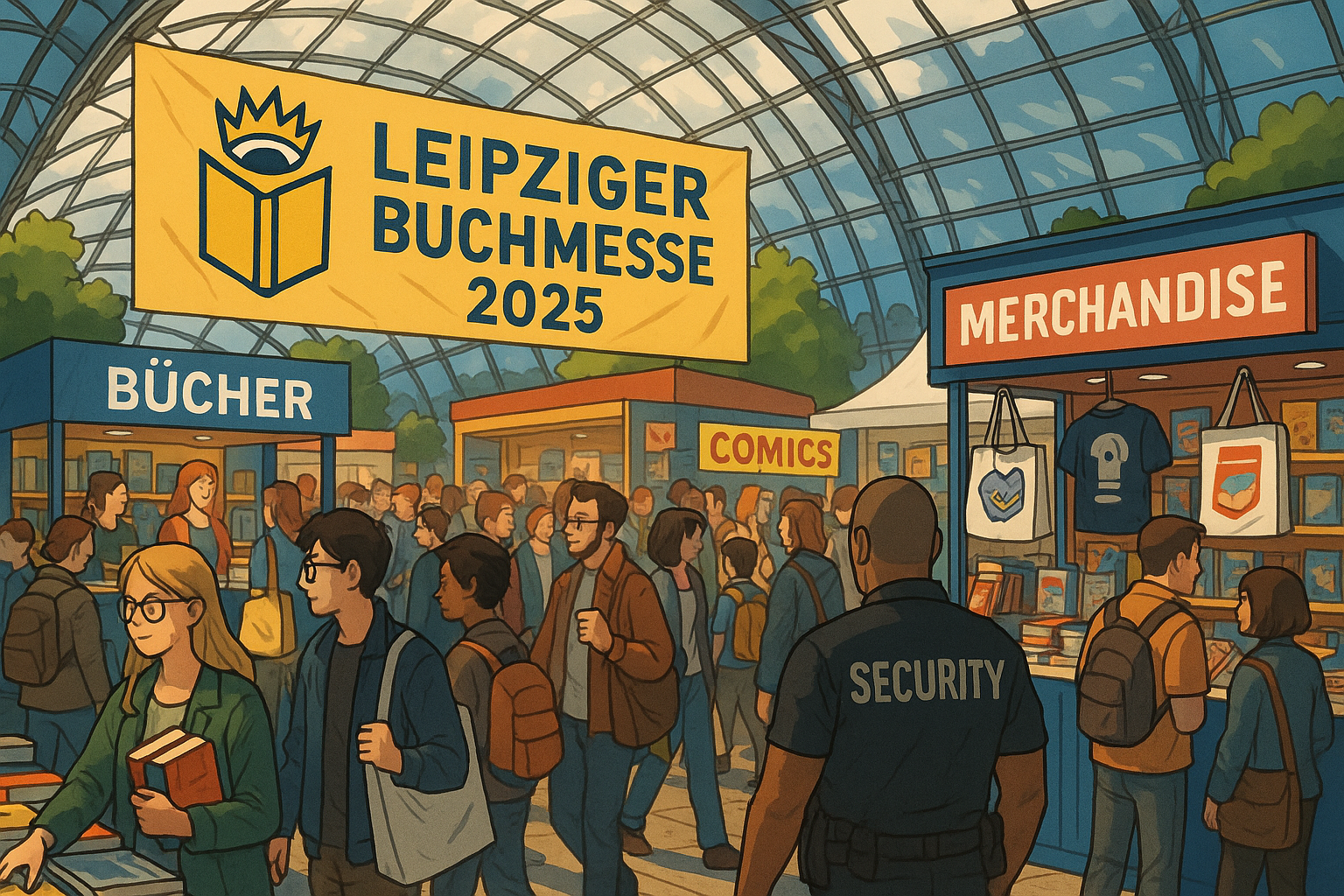
I went to Leipziger Buchmesse 2025 with a backpack full of notebooks, a phone full of hopes, and one simple plan: write the good, face the bad, and laugh at the ugly—then blog about all of it. This is my field report from the halls, lines, stages, and quiet corners where stories and readers collide. It’s part love letter to Leipzig, part security debrief, and part personal ledger of what worked, what didn’t, and where I still have growing to do. If you’ve been following my blog, you’ll recognize the rhythm; if you’re new, welcome to the chaos and the charm of one of Europe’s most vibrant book fairs.
The Good: Blog Updates from Leipzig Book Fair 2025
I arrived determined to keep my blog updates nimble: short posts, fast photos, and candid reflections from the floor. The pace of Leipziger Buchmesse turns even casual notes into a blur, so I set rules—publish every few hours, prioritize clarity over perfection, and let the images do some of the storytelling. It worked. By day two, the comment threads filled with reader tips, aisle sightings, and mini-reviews of panels I couldn’t catch. The blog—usually a quiet weeknight corner—sounded like the fair itself.
What surprised me most was how hungry people were for “little” details. Which halls felt calm? Where could you actually sit? Was that rumored pop-up poetry session real? My updates became a micro-guide that traveled by word-of-mouth; strangers in line quoted my own posts back to me. It was the kind of loop every blogger hopes for: helpful information in, helpful information out, and a sense of shared attendance even for readers who couldn’t make it to Leipzig.
On the tech side, I leaned into a lightweight stack. Drafts in a notes app, image compression on the fly, and scheduled posts when the Wi‑Fi got moody. No fancy CMS tricks—just clear headlines and timestamps so readers could skim fast between trains, coffees, and panels. I also added a “Seen, Heard, Learned” sign-off to each post. That small structure kept the writing honest and the pace sustainable.
Finally, collaboration proved gold. I invited guest paragraphs from friends on-site: a bookseller counting steps, a translator dissecting a dialogue, a student tracking debut voices. Their eyes widened the lens of my coverage and took pressure off me to be everywhere. “The good” was less a highlight reel and more a chorus—messy, immediate, human—and that’s exactly how Leipzig felt.
The Bad: Security Snags at the Leipzig Fair
Let’s talk security, because the best stories begin with the bottlenecks that almost kept us from hearing them. The first snag was familiar: entrance queues ballooning at peak times, where bag checks and ticket scans tugged at patience. It wasn’t chaos, just friction—the kind that turns a careful schedule into a shrug. If you plan to glide in just before a panel, plan again; buffer time is your new best friend.
The second hitch was information drift. Signage about what was allowed in bags varied by entrance, and staff seemed to interpret the rules with slightly different emphases. Power banks? Usually fine. Bottled water? Sometimes asked to sip. Tripods? That depended on who you asked. None of this was dramatic, but it did create pockets of confusion—and a few awkward repackings on cold pavements.
Digital tickets added their own subplot. QR codes worked, until they didn’t; a cracked screen or dim brightness could send you sideways into the “please step over here” lane. Pro tip from painful experience: screenshot your ticket, bump your brightness, and keep a paper backup if you can. Also, cloakrooms hit capacity quickly on busy days, and that created an unintended security dance—bags that should have been checked clung to shoulders a bit longer than ideal.
And then there’s the crowd flow itself. When a popular event ends, the tide moves, and emergency exits become briefly theoretical. Staff did their best to direct and decongest, but the fair’s success is also its challenge—so many bodies, so many books, so much motion. My advice to future me (and to you): pick comfort over cleverness. Wear shoes that forgive detours, carry a leaf-light daypack, and remember that safety and patience are cousins.
The Ugly and Me: What I Learned in Leipzig 2025
Here’s the “ugly,” or at least the part that didn’t make it into the neat rectangles of my blog posts: burnout whispers loud in crowded halls. By midday on Saturday, I was running on caffeine and FOMO, which is the illusion that every panel you miss is the one that would have changed your life. That’s a losing belief system. I crashed, regrouped, and gave myself permission to walk slowly through a single hall with no plan. I left wiser—and with a tote bag I absolutely did not need.
Security stress can turn us into lesser versions of ourselves. I caught my tone getting clipped at a checkpoint after a long wait, and it didn’t feel great. I apologized. The guard nodded. We both exhaled. These moments don’t undo a fair, but they can shape your memory of it. I learned to build micro-pauses into the day: water, stretch, breathe, then queue. Dignity loves a buffer.
As for the blog, I confronted my own perfectionism. A couple posts went out with typos. One photo was blurry. A headline tried too hard. Oddly, those were the posts people loved most, because they felt human and present. The lesson was obvious and hard: publish before you polish to death. Leipzig moves; let the writing move with it.
Finally, the “ugly and me” is also about boundaries. I don’t have to review everything I attend, take every free bookmark, or have an opinion on every literary trend. What I owe readers is attention, honesty, and a trail they can follow if they want to experience the fair themselves. In that sense, leipziger buchmesse 2025 – the good, the bad and the ugly—was also an essay in self-management. The fair showed me my limits. It also showed me that limits are the frame that makes the picture clear.
Leipzig this year was a map of contrasts: generous conversations and tight corridors, inspired panels and stubborn lines, big ideas and small frustrations. The blog captured the flash and the footsteps; the security hiccups kept me humble; the personal lessons will travel with me longer than any tote bag swag. If you’re planning your own trip, carry patience, comfortable shoes, and a flexible schedule. And if you stayed home, I hope the updates brought you into the halls just enough to feel the pulse—messy, luminous, wonderfully human.