

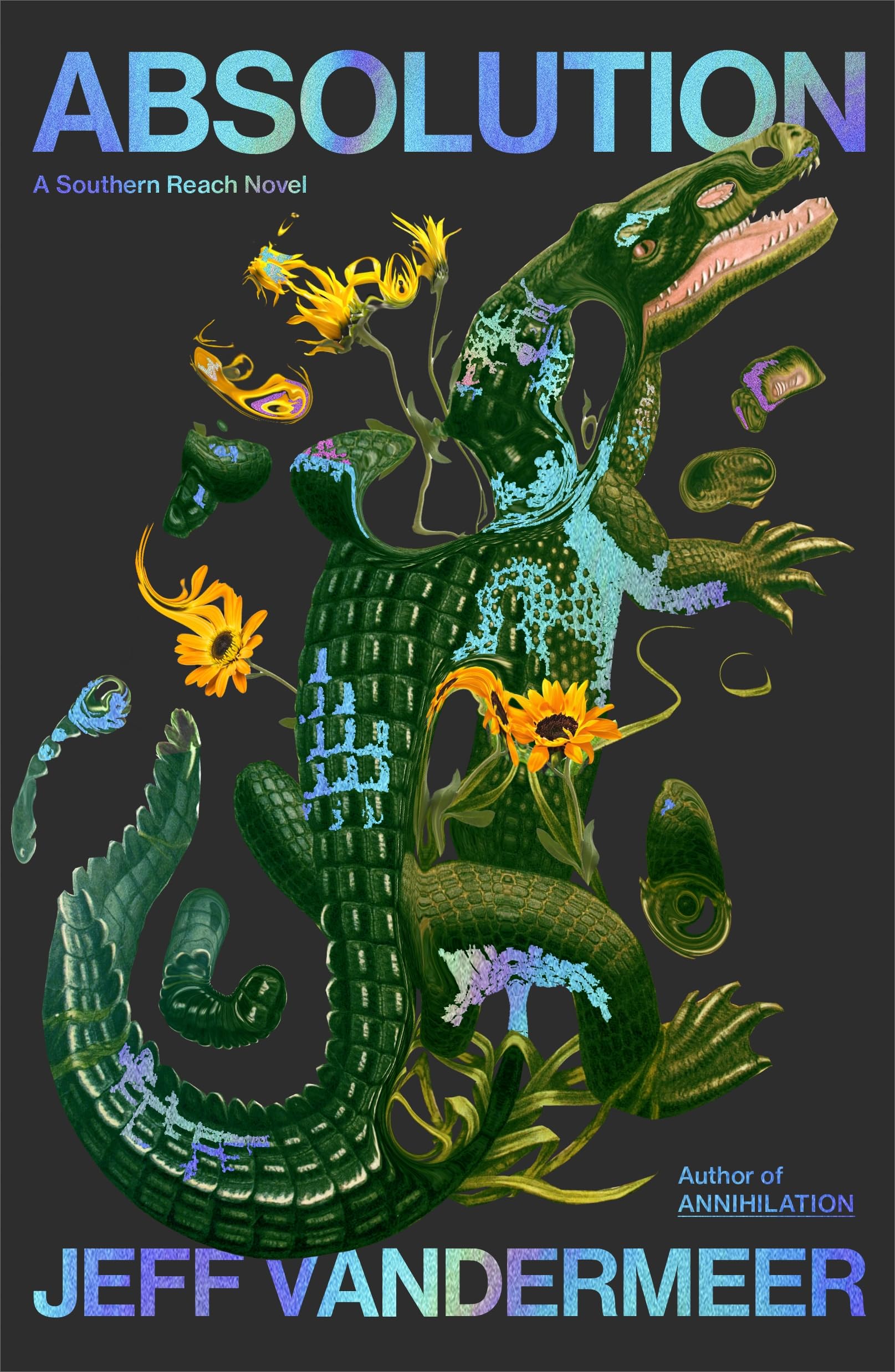
As a dyed-in-the-wool admirer of speculative fiction and dystopian oddities, I’ve been counting the days to Jeff VanderMeer’s 2024 return to the Southern Reach. Absolution: A Southern Reach Novel (released 07.05.2024) revisits a dark, mysterious world where the map frays and reality sours at the edges. It’s the kind of book you feel in your nerves first, a slow-blooming dread that lingers long after you’ve closed the final page.
Absolution by Jeff VanderMeer: into a sinister unknown
VanderMeer’s latest is a careful unsealing of dread, an expedition into the sinister unknown where the natural order mutates into something other, and the familiar becomes an instrument of estrangement. The novel’s atmosphere is thick with a humid, salt-stung anxiety: a sense that the landscape is watching, learning, and answering back. We’re again in the orbit of the Southern Reach and its unholy neighbour, a zone where the border between explanation and awe collapses.
The narrative cadence is patient yet relentless, the prose honed to a bioluminescent shimmer. VanderMeer renders ecosystems with a biologist’s attentiveness and a poet’s ear, conjuring textures and movements that seem to crawl under the skin. The result is a reading experience that feels both forensic and hallucinatory: every detail observed, every certainty corroded. It’s a haunted field report from the edge of knowability.
Thematically, Absolution burrows into responsibility and complicity, asking what it means to face an intelligence that is not ours and may not want the same things we do. It is, as the German précis rightly has it, a düstere, geheimnisvolle Welt mit übernatürlichen Bedrohungen—a bleak, mysterious world bristling with supernatural threat. A line I scribbled in my notebook, paraphrased, captures the book’s moral chill: the unknown doesn’t care if we understand it, only that we continue to be changed by it.
A Southern Reach return to eerie peril; verdict: 🍵🍵🍵🍵
Absolution thrives on tension rather than spectacle. The peril here is not a jump-scare but a slow accretion of unease: notes on a clipboard that start to contradict one another, instruments that measure only their own bewilderment, fieldwork that becomes a rite of erasure. The danger is epistemic as much as physical; you can feel your frameworks fraying with each chapter.
VanderMeer’s stylistic signatures are all present—eerily precise description, bureaucratic absurdity, ecological sentience—but there’s also a warmer human pulse under the strangeness. Memory, grief, and the impulse to categorise the uncategorisable collide in ways that feel urgent and painfully contemporary. The book asks whether our naming of the world is an act of stewardship or a reflex of domination—and whether either will help us when the world starts naming us back.
Why four teacups? Absolution is mesmerising, unsettling, and intellectually chewy—exactly the sort of speculative fiction that makes me brew a strong cup and read long past midnight. It doesn’t offer the neat closures some readers might crave, and its deliberate pace occasionally lingers a beat too long in the fog. Yet the cumulative power is undeniable: a luminous, nerve-prickling return to eerie peril. Verdict: 🍵🍵🍵🍵.
Absolution (07.05.2024) is a triumph of tone and texture, a return to the Southern Reach that respects the mystery rather than explaining it away. If you want your science fiction to stain the mind with questions, to leave silences buzzing, and to set the natural world tilting into the supernatural, this is a bracing, unforgettable brew. I’ll be thinking about its aftertaste for a long while—four teacups well earned.