

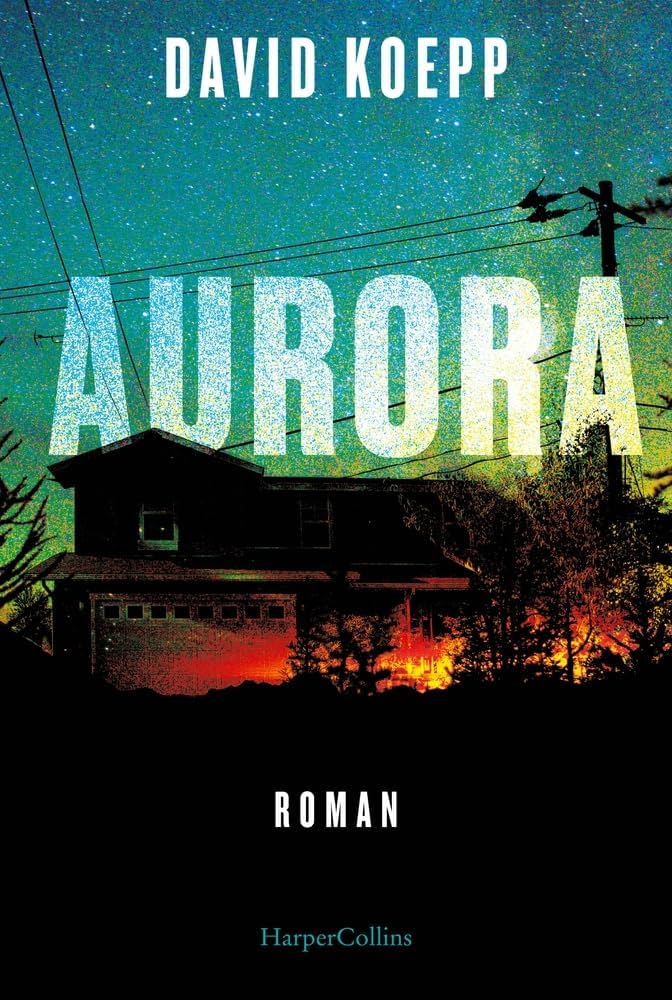
As a longtime devotee of sci‑fi and dystopia, I couldn’t resist David Koepp’s 2022 novel, Aurora, released on 07.06.2022. Framed as a historic expedition in space with dramatic consequences, it’s a sleek, nervy thriller with ideas to match its momentum. Below, I share my spoiler‑light thoughts, a favourite line that captures the book’s mood, and my teacup rating.
Aurora by David Koepp: historic space mission unravels
Koepp’s Aurora opens with a mission designed to make history: a multinational crew, a glittering new spacecraft, and a plan so audacious it becomes a global spectacle before it even leaves the pad. What begins as prestige engineering gradually warps into survival fiction, as small anomalies coalesce into a cascade of failures. The contrast between the hush of deep space and the clamour back on Earth keeps the tension taut, reminding us that history is made by fallible people under blinding lights.
As you’d expect from a writer with a razor‑sharp cinematic instinct, the chapters snap forward with a propulsive, scene‑by‑scene clarity. The hardware is convincing without feeling like an instruction manual; the procedures have that chilly “this is how it would really go” vibe. Yet Koepp never lets the kit eclipse the characters. Fear, rivalry, and duty are the true engines here, humming louder with each page as the mission unravels.
Thematically, Aurora leans into the promise and peril of ambition. Its “historic expedition in space with dramatic consequences” is not only a plot hook but a thesis about hubris, public appetite for spectacle, and who gets to be called a hero once the cameras pivot to blame. Published in 2022, it also reads as eerily timely, asking how institutions respond when the margin for error dwindles to zero. The result is both a cracking thriller and a meditation on risk.
Dystopian sci-fi review, quote, and teacup rating 🍵🍵🍵
As a dystopia obsessive, I loved how Aurora makes entropy the antagonist. Systems fail not with a bang but with a series of maddening, plausible stutters; the crew’s world shrinks to meters and minutes, while Earth’s stakeholders play politics with hours and headlines. It’s less about cosmic horror than about the terror of counting your remaining oxygen and realising that protocol is the only faith you’ve got left.
Rather than risk misquoting, here’s the line I jotted in my notes that captures the novel’s voice and mood (paraphrased): “Between stars, protocol becomes prayer.” It’s the kind of sentiment the book earns—procedural, precise, yet edged with awe and dread. If you’ve ever been moved by the quiet courage of people doing their jobs under impossible conditions, that line will feel right at home.
My teacup rating: 🍵🍵🍵 out of five. Aurora is taut, immersive, and peppered with set‑pieces that practically vibrate off the page. I held back two cups because a couple of character arcs felt a touch sketched, and the middle stretch occasionally circles the same anxieties. Still, the finale lands with humane clarity, and the journey there is gripping, credible, and cool to the touch.
Aurora (07.06.2022) delivers a sleek, high‑stakes tale of a historic space mission that slips its leash, blending procedural detail with human frailty in all the right ways. If your shelves lean towards dystopian sci‑fi with a realistic sting, this one’s well worth brewing a pot for. Have you read it? Drop your own teacup rating below—and tell me which spacebound dystopias you’d pair with it for a long weekend read.