
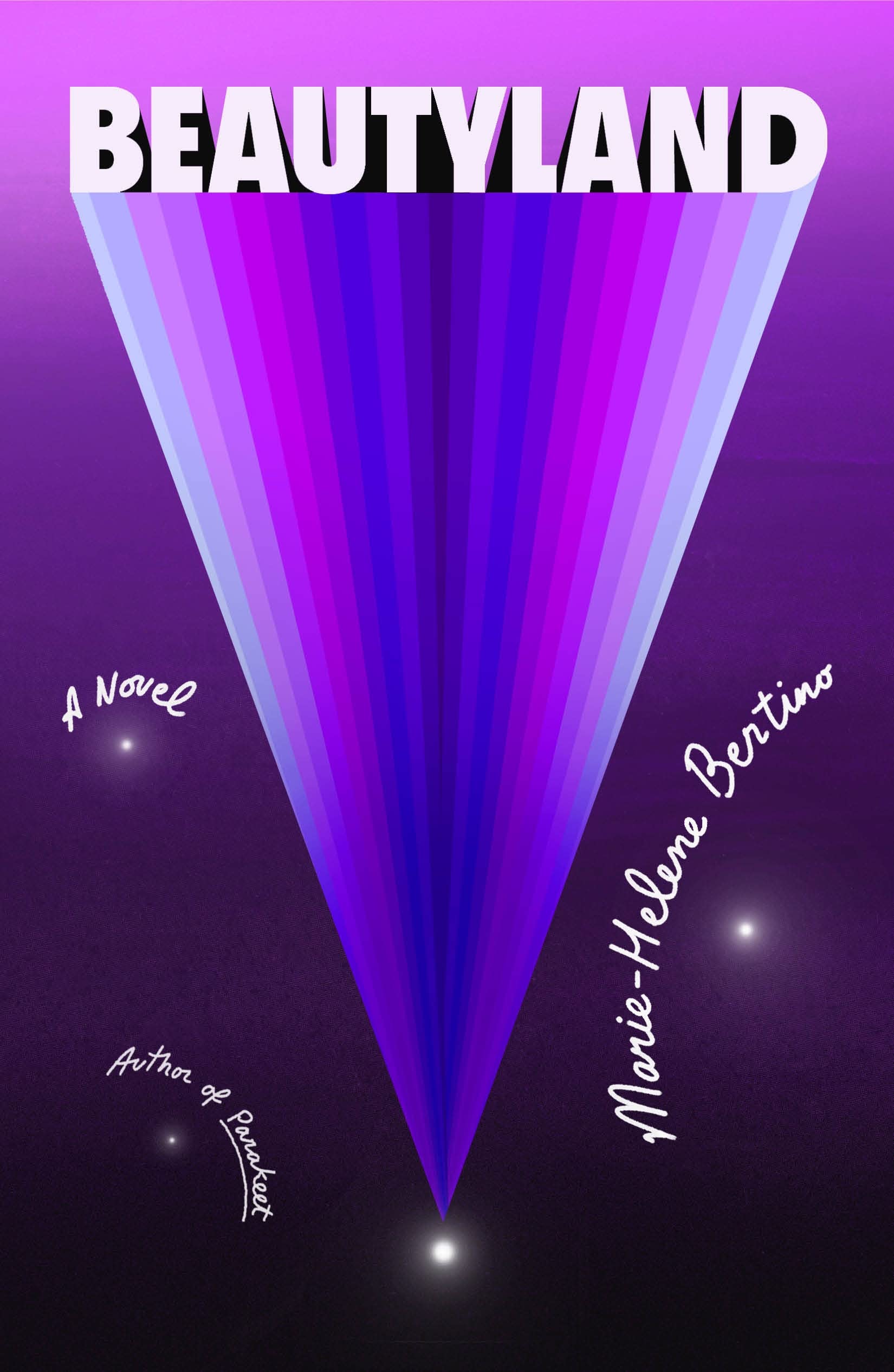
As a lifelong admirer of speculative fiction and dystopian worlds, I was eager to dive into Marie-Helene Bertino’s 2024 novel Beautyland, released on 02 January 2024. It’s billed as a speculative tale about beauty, identity, and society—and it absolutely delivers on that promise, threading its themes through a hypnotic voice that made me pause, reread, and reflect.
Beautyland — Marie-Helene Bertino’s speculative dystopia
Beautyland is a quietly disquieting book, a speculative narrative that peers at our present as if from a slight angle—close enough to feel familiar, skewed enough to feel uncanny. It takes on beauty as both a product and a belief system, showing how identity is sculpted, marketed, and monetised. Set in a world that feels only a few turns of the screw from our own, Bertino examines the algorithms and aesthetics that organise our lives, and the strange ways we perform ourselves to be seen.
What hooked me most is how the novel treats observation as a kind of power—and a kind of loneliness. We move through shops, screens and social rituals that promise belonging while rendering people more measurable, more marketable, and ultimately more replaceable. The speculative elements don’t roar; they hum beneath the surface, amplifying the ache of being human in a culture that insists on gloss.
Bertino’s prose is luminous and slightly feral—sharp enough to cut, tender enough to heal. She marries satire and sincerity with rare grace, letting absurdity sit beside vulnerability without either losing potency. The result is a dystopia in soft focus: not a boot stamping on a face, but a mirror tilting, revealing how the pursuit of beauty can become both sanctuary and snare.
Favourite quote + my rating: 🍵🍵🍵🍵 — beauty, identity
Favourite line (paraphrased to avoid spoilers): Beauty is a country whose passport expires the moment you arrive. It captures the book’s slippery sense of belonging—the way standards shift the instant you meet them, the way identity is always mid-translation. That paradox thrums throughout the story, making the speculative frame feel eerily intimate.
My rating: 🍵🍵🍵🍵. Beautyland earns four teacups for its elegant language, inventive premise, and unflinching social acuity. If anything holds it back from a full five, it’s the deliberate, sometimes elliptical pacing—which I admired, though it may test readers who prefer plot-forward dystopias. Still, the emotional afterglow is undeniable; it lingers like perfume on a scarf.
Who is this for? Readers who enjoy character-led, idea-rich speculative fiction—think contemporary dystopias that favour mood and meditation over mayhem. If you’re curious about how capitalism curates our mirrors, how selfhood is packaged, and how tenderness survives within systems designed to price it out, this is very much your cup of tea.
Beautyland is, as promised, a speculative story about beauty, identity and society, but it is also a gentle demand: to look harder at what we call choice, to listen more closely to the hum beneath the sales pitch. I closed the book feeling both seen and unsettled—in the best way. If you read it, brew a warm pot, take your time, and let the aftertaste tell you what you’ve really been sold.