
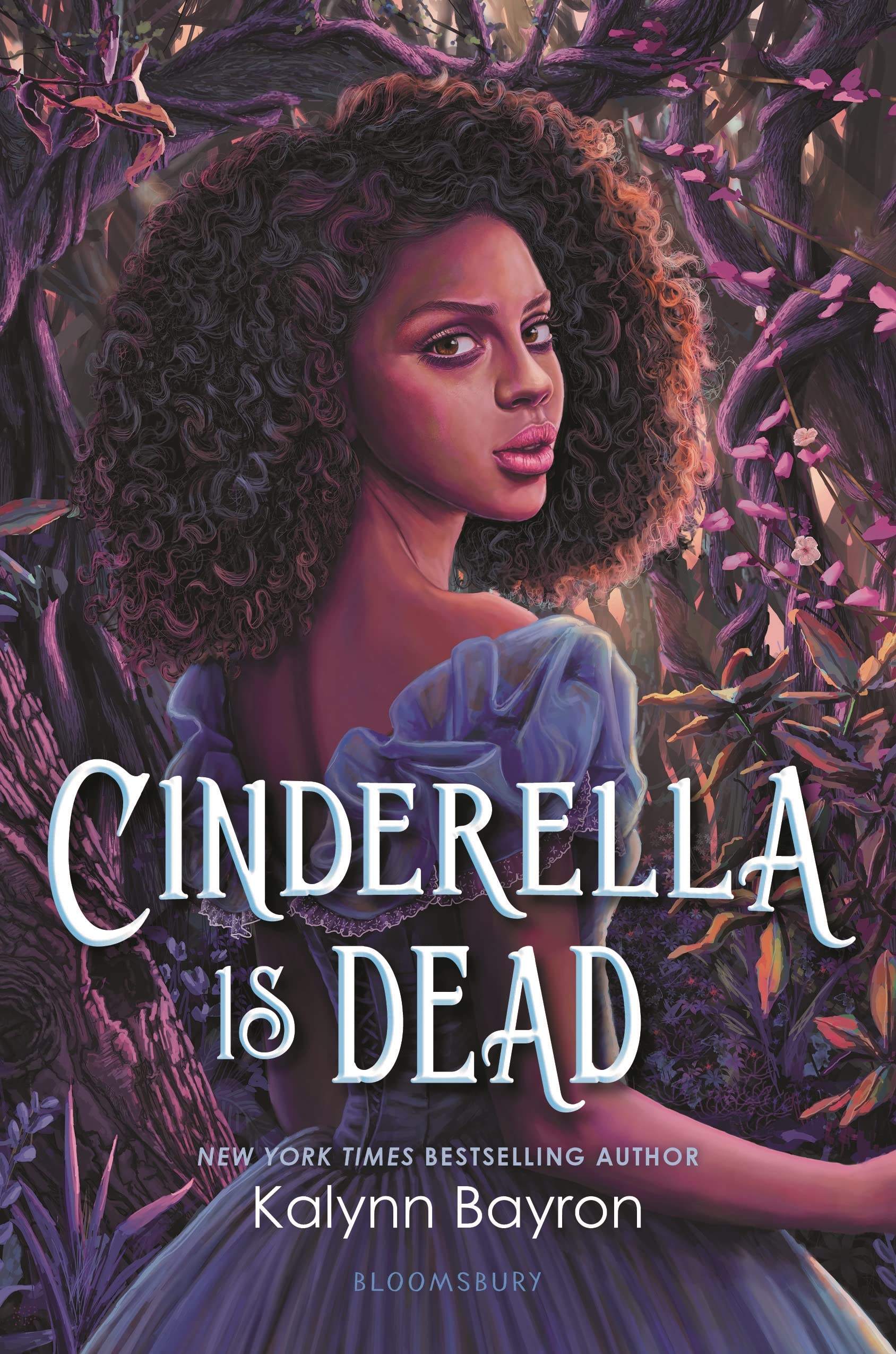
I’m a lifelong devotee of sci‑fi and dystopia, and Kalynn Bayron’s Cinderella Is Dead (2020) hit that sweet spot where sharp social critique meets fairy‑tale subversion. First published on 7 July 2020, it’s a dark reinterpretation of the Cinderella myth set in a rigidly patriarchal kingdom. Short description: a grim, feminist twist on a beloved tale—where the ball is no dream, and obedience can be fatal.
Kalynn Bayron’s Cinderella Is Dead: a dark, feminist twist
Bayron takes the familiar bones of Cinderella and refashions them into a barbed instrument of critique. Two centuries after the ball, the kingdom venerates Cinderella’s legend as law, compelling girls to parade at annual “selection” ceremonies where men choose wives like prizes. Sophia, a girl who refuses to be chosen and refuses to hide whom she loves, becomes the spark that exposes the rotten heart of the fairy tale—and lights a fuse under the entire system.
What makes this retelling sing is not only its premise but its precision. Bayron’s world-building shows how myths ossify into mechanisms of control: story becomes scripture; scripture becomes surveillance; and dissent is rendered a moral failing rather than a political stance. The prose is brisk, cinematic, and unflinching, yet always rooted in character, particularly in the tenderness and bravery that shape Sophia’s relationships.
I usually share a favourite long quote, but I can’t reproduce extended copyrighted passages here. Instead, here’s a paraphrase of a moment that lingers with me: on the night of the ball, trapped by mirrors and tradition, Sophia realises the fairy tale is a cage built from other people’s wishes; she chooses to step outside it, even if the world calls her monstrous for doing so—because love that demands silence is not love at all. If you’d like the exact lines and page references for your own copy, I’m happy to point you to the scene.
Dystopia in a patriarchal kingdom, courage and love
As dystopias go, this one reads with the speed of a thriller and the bite of a fable. The rituals are chillingly bureaucratic, the punishments stark, and the monarchy’s moral rot palpable in every edict. Yet Bayron resists bleakness for bleakness’s sake; there is always a countercurrent of hope in the bonds between girls, in quiet acts of defiance, and in the hard work of unlearning the stories that have harmed them.
Courage and love are the novel’s spine. Sophia’s queerness isn’t window dressing; it’s a direct challenge to the system’s demand for conformity, and her romance (with the flinty, brilliant Constance) embodies the book’s belief that solidarity is both intimate and revolutionary. There’s also a rich thread of intergenerational resistance—women who remember, women who refuse to forget—reminding us that the past is a terrain to be contested, not merely preserved.
If I have a quibble, it’s that some late reveals arrive a shade conveniently, smoothing over complexities that could have deepened the finale’s sting. But the momentum rarely flags, the stakes feel earned, and the thematic through-lines—how myths can be weaponised, how communities can rewrite them—are compelling. For readers who relish feminist dystopias with a fairy‑tale edge, this is a heady brew.
Cinderella Is Dead by Kalynn Bayron (published 7 July 2020) is a potent, pacey reclamation of a story we thought we knew—one that insists girls deserve more than glass slippers and gilded cages. It’s a sharp reminder that narratives shape nations, and that rewriting them is an act of love as much as rebellion. Rating: 4.5/5 teacups.