

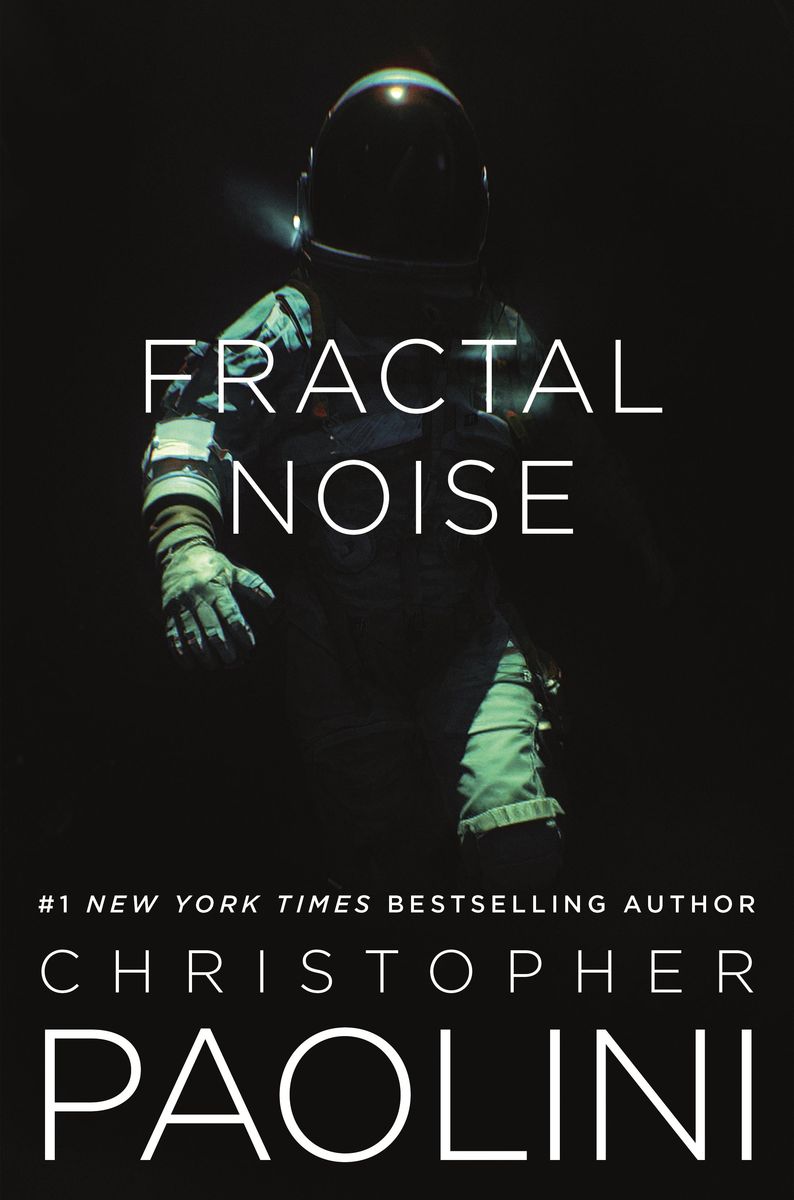
As a lifelong lover of science fiction and dystopia, I was keen to step back into Christopher Paolini’s Fractalverse. Fractal Noise: A Fractalverse Novel lands squarely in my sweet spot: stark landscapes, big ideas, and an intimate, boots-on-the-ground perspective on first contact. Published in May 2023, it’s a brooding, self-contained prequel that trades operatic space battles for a slow-burn trek into the unknown.
About the Book
A taut, first-contact survival story in the Fractalverse: grief, grit, and the grandeur of the unknown.
Fractal Noise: A Fractalverse Novel is Paolini’s lean, terrestrial prequel to To Sleep in a Sea of Stars, set decades earlier yet entirely readable on its own. A small survey team diverts to investigate a colossal, impossibly precise alien anomaly on a harsh world, and what follows is a days-long march that’s as psychological as it is physical. It’s classic “first contact” in premise, but filtered through a survival narrative that prioritises uncertainty, isolation and human frailty.
Rather than galaxy-spanning politicking, Paolini zeroes in on the textures of the planet, the ache of loss, and the friction of clashing personalities under pressure. The science is grounded, the stakes are immediate, and the mystery of the artefact hums like background radiation—ever-present, never fully understood. The title’s “fractal noise” becomes a thematic motif: patterns within patterns, meaning flickering at the edge of perception, and the unsettling sense that the universe is speaking in a language we were not built to hear.
Spoiler-free review with 🍵🍵🍵
Paolini’s prose here is spare and steady, well suited to the book’s endurance-test structure. The pacing is deliberately measured—think incremental exhaustion, blistered boots, and the quiet terror of a horizon that never seems to draw nearer. I appreciated how the novel respects logistics and consequence: navigation errors matter, kit malfunctions matter, and so do grief and guilt. That realism heightens the cosmic awe when it arrives.
Choice quote (from the publisher’s synopsis): “On the planet Talos VII, a small team sets out to explore a massive alien artefact.” It’s simple, yes, but it encapsulates the book’s clean premise and its commitment to the unknown. The allure is the gap between “massive” and “meaning”—between what can be measured and what can be understood.
My rating: 🍵🍵🍵. Fractal Noise is thoughtful, atmospheric and admirably focused, but its restrained scope and meditative cadence won’t be for readers craving brisk spectacle. If you enjoyed the existential unease and tactile science of The Expanse’s quieter interludes—or the wilderness dread of Annihilation—you’ll likely find this a rewarding detour. Published May 2023, it’s a solid cup of contemplative sci‑fi: not flashy, but it lingers.
Fractal Noise won me over with its austere beauty and humane attention to the costs of discovery. If your heart beats faster for first-contact mysteries that whisper rather than roar, brew a pot and settle in—this is a measured, resonant march into the dark, and worth the three steaming cups I’ve poured.