
As a lifelong lover of speculative fiction—especially the bleak beauty of dystopia—I’m always on the lookout for future-facing tales that blend heart with high concept. Oliver Darkshire’s Isabella Nagg and the Pot of Basil: A Novel caught my eye with its literary wink to Keats and its promise of civic decay, tender rebellion, and strange hope. Here’s my spoiler-light take, a crisp summary, and a thematically apt quote for your tea break.
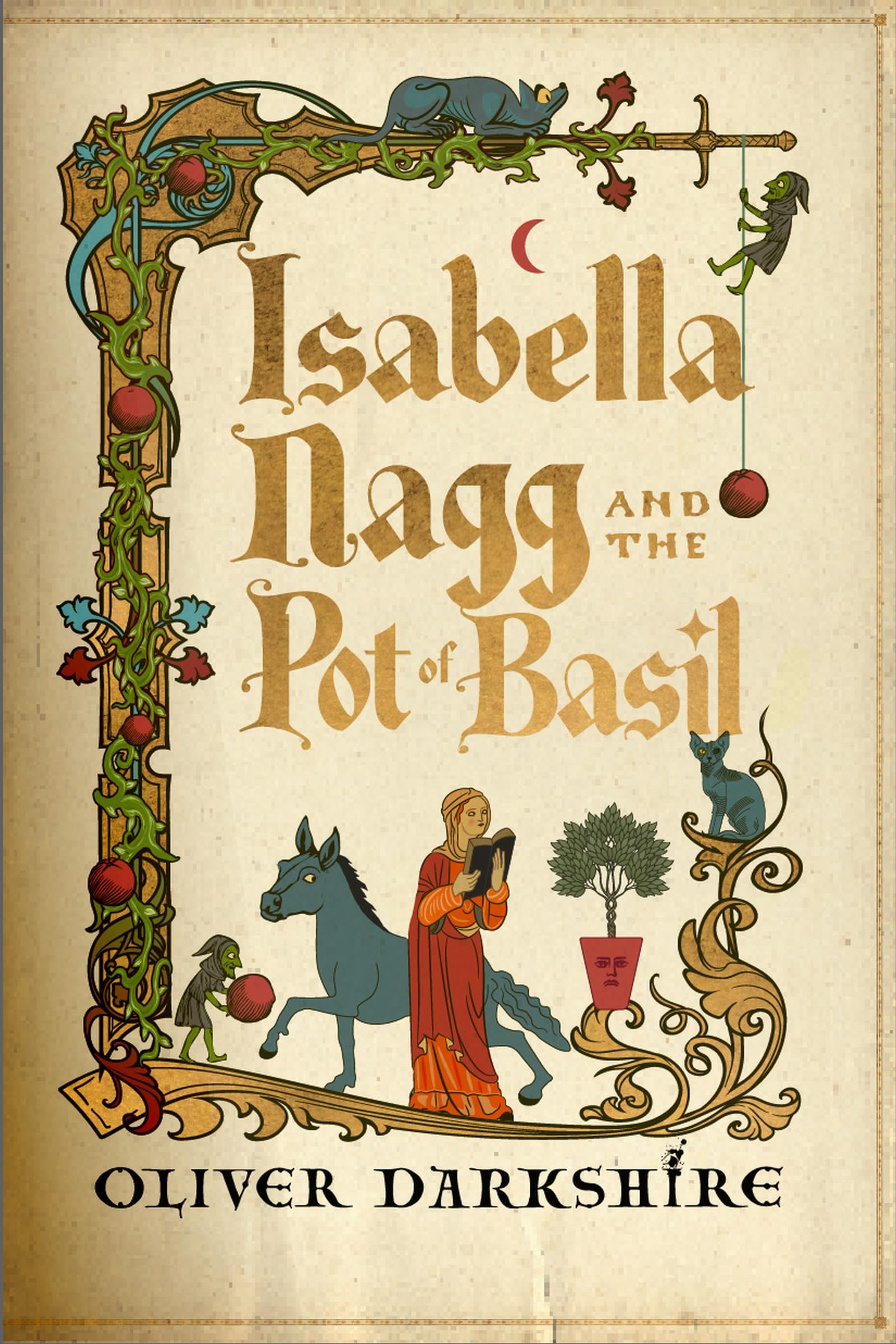
Isabella Nagg and the Pot of Basil — Oliver Darkshire
Oliver Darkshire’s Isabella Nagg and the Pot of Basil: A Novel (Published 2025) is a near-future dystopia where private grief collides with public oversight. In a crumbling city whose citizens live by the grace of metrics and permits, Isabella tends a modest pot of basil—a quiet ritual that becomes both memorial and defiance. Short description: a botanically tinged, bureaucratic nightmare that asks how we remember those we’re ordered to forget.
Darkshire’s worldbuilding is cool and precise, like the clipped edge of a government memorandum. Everywhere you look there are forms to file, doorways to scan, and tiny allowances to barter—yet nature persists in hairline fractures: rooftop planters, allotments, sprigs of green rescued from demolition sites. The basil is more than a symbol; it is a working machine for meaning, converting the raw material of loss into something fragrant, nourished, and stubbornly alive.
As a reader with a soft spot for dystopias that feel lived-in rather than stagey, I adored the book’s texture: the scuffed floors of municipal offices, the hum of faulty bulbs, the way rumours pass through apartment walls like a second electricity. Darkshire’s prose is wry without being arch, tender without tipping into treacle. He balances the cold logic of the state with the warmth of small, human arrangements—recipes shared, seeds traded, favours kept alive in the cracks.
Dystopian SF
Narratively, the novel moves between the grind of administrative survival and the private rituals that keep Isabella whole. The tension is not just “will she be caught” but whether memory itself can be made safe under a regime that itemises the inner life. The set-pieces—an inspection that spirals into moral calculus, a night-time exchange under rain tarps, a brief, breath-held gathering in a stairwell—are understated and all the more gripping for it.
Given the title’s allusion, I couldn’t resist a line from John Keats’s Isabella; or, The Pot of Basil, which Darkshire’s book converses with in spirit if not in plot:
“And she forgot the stars, the moon, and sun,
And she forgot the blue above the trees,
And she forgot the dells where waters run,
And she forgot the chilly autumn breeze.”
It’s a fitting echo: Keats writes of a love that retreats into ritual; Darkshire writes of a memory that refuses to retreat at all. If I have a quibble, it’s a slight sag in the middle third as a subplot loops one step too many through the Ministry’s corridors. But the closing movement lands with quiet authority—no fireworks, just the measured glow of a choice made and carried through.
Darkshire has delivered a dystopia with soil under its nails and a heart that beats steadily against the machinery. If you relish the humane chill of Atwood, the urban textures of Miéville, or the ecological unease of VanderMeer, this belongs on your 2025 list. My verdict: 🍵🍵🍵🍵 out of 5 teacups—satisfyingly aromatic, with a lingering, bittersweet finish.