

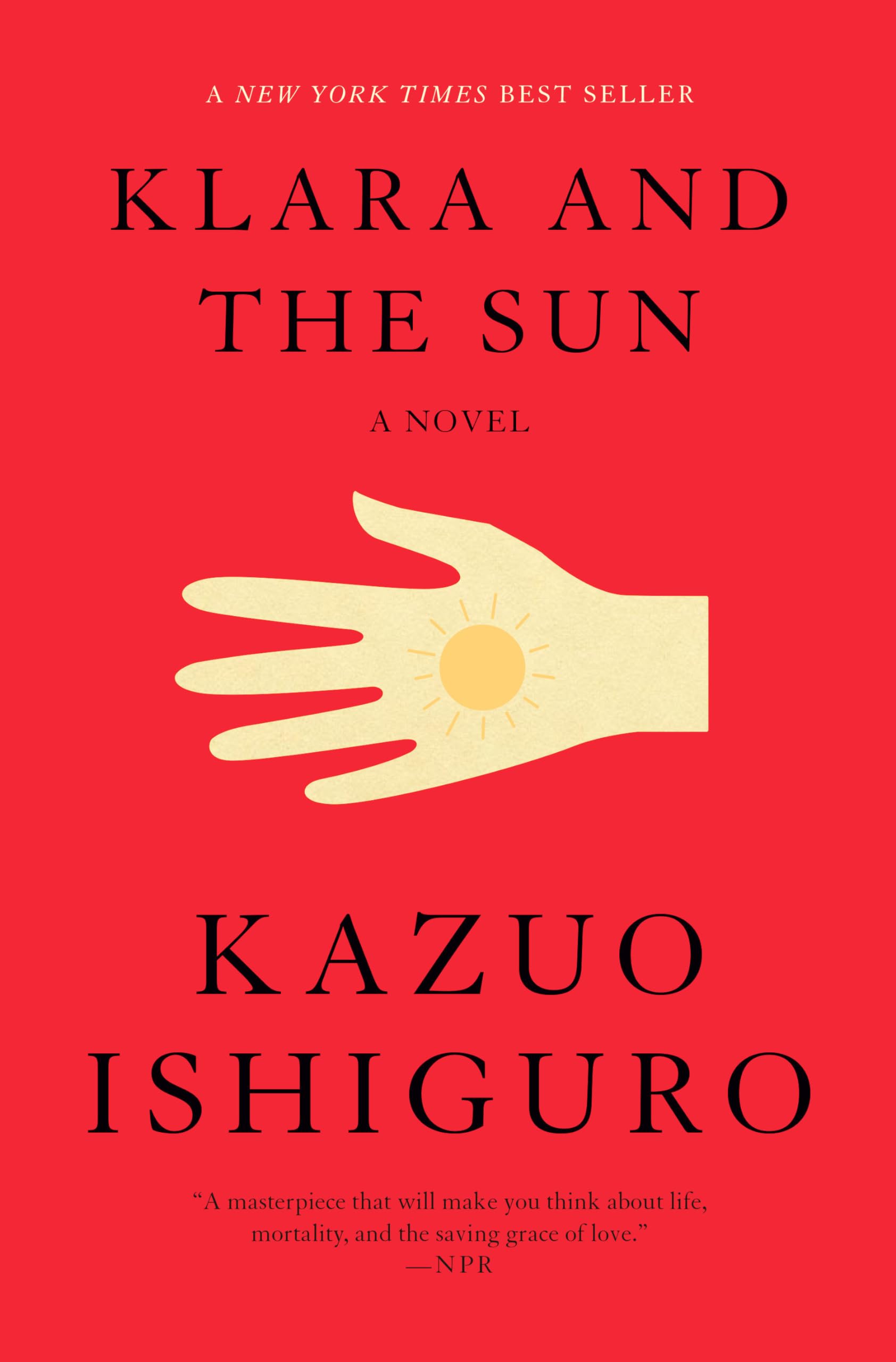
As a lifelong lover of speculative fiction—especially the tender chill of dystopia—I came to Klara and the Sun with curiosity and a pot of tea. Ishiguro’s 2021 novel promised a quiet inquiry into artificial intelligence and human feeling, and it more than delivered. What follows is a personal reflection, brewed slowly and served warm.
Klara and the Sun by Kazuo Ishiguro: AI and empathy
Published on 2 March 2021, Klara and the Sun by Kazuo Ishiguro follows an Artificial Friend—an AF—who keenly studies the subtleties of human behaviour from the margins of family life. The core premise is elegantly captured by the German capsule: “Eine künstliche Freundin erlebt die Menschlichkeit aus ihrer einzigartigen Perspektive” (an artificial friend experiences humanity from her unique perspective). Ishiguro’s restraint lets the emotional stakes seep in gradually, like sunlight moving across a room.
At the heart of the novel is a question about empathy: is it a programmed inference engine, or a moral courage that reaches beyond prediction? Klara observes with almost devotional attention, translating fleeting expressions and gestures into hypotheses about love, loyalty and sacrifice. Her belief in the Sun as a source of nourishment and grace offers a quietly original theology of care, where energy, faith and healing entwine in ways that feel both mechanical and numinous.
The book’s most piercing moments are deceptively simple. “Do you believe in the human heart?” Ishiguro asks through his characters, and the line lingers like a soft echo. In Klara’s world, empathy isn’t just about correctly reading a face; it’s about bearing witness, holding space, and choosing to act—even when one’s understanding is imperfect. That tension makes the novel’s exploration of AI feel intimate rather than speculative.
A dystopian sci‑fi meditation; my rating: 🍵🍵🍵🍵
As dystopias go, this is a whisper rather than a siren. The world-building—gene editing, stratified schooling, consumer-grade companions—sits at the edge of the page, unsettling without spectacle. It’s a society adjusted to quiet exclusions, where loneliness is routine and affection becomes a managed resource. The result is a future that feels disconcertingly near, like a reflection you catch in a dark window at dusk.
Ishiguro’s prose is precise and cool to the touch, which suits Klara’s observational lens. At times, the emotional distance may frustrate readers craving a fuller interior flood; yet that very distance sharpens the novel’s ethical questions. When understanding is partial, what does kindness require? When love is fragile, what risks are justified? The book’s calm surface hides deep currents, and patience is rewarded.
I’m giving this one four teacups out of five: 🍵🍵🍵🍵. It’s a contemplative brew—measured, luminous, and quietly devastating by the final sip. Recommended if you prize character over spectacle, moral tension over plot pyrotechnics, and the slow dawning realisation that intelligence without tenderness is only half a story.
Klara and the Sun is less about whether machines can feel and more about whether we will let ourselves be changed by the possibility. If you’ve a free afternoon, a sunny window, and a warm mug to hand, this novel will keep you thoughtful company long after the light fades.