

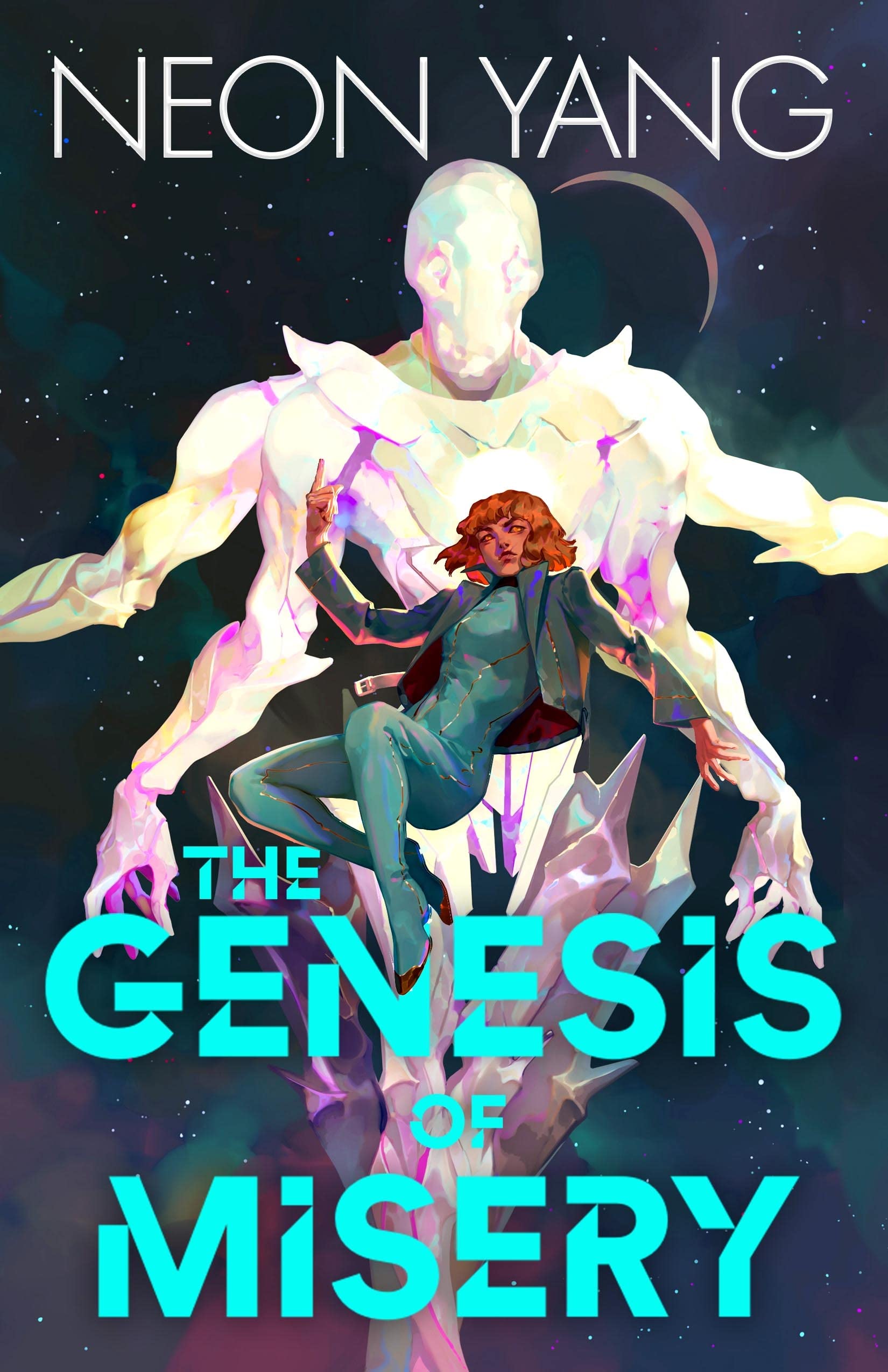
Neon Yang’s The Genesis of Misery (2022) arrived on 27.09.2022 with a promise I couldn’t resist: a cyberpunk‑tinged coming‑of‑age tale about artificial intelligence and identity. As a lifelong lover of sci‑fi and dystopian fiction, I was keen to see how Yang would thread questions of machine agency and human selfhood into a character‑driven arc. What I found was a luminous, unsettling story that treats identity not as a static label but as a living interface—mutable, negotiated, and sometimes weaponised.
The Genesis of Misery — Neon Yang on AI and identity
Neon Yang has long been fascinated by the ways technology refracts the self, and The Genesis of Misery brings that fascination into sharp relief. Published in 2022 and released on 27.09.2022, the novel reads like a cyberpunk Bildungsroman: a story of growth and reckoning in a world where code, creed, and capital collide. AI here isn’t just a tool or a villain; it’s a mirror, an archive of choices that pushes characters to confront who they are and who they might become under pressure.
Identity, in Yang’s hands, is inseparable from narrative—both the stories we inherit and the ones we tell about ourselves. The book probes how labels can empower and constrain in equal measure, especially when institutions—religious, military, corporate—seek to standardise personhood for their own ends. The protagonist’s struggle becomes a lens for examining the difference between performance and essence, between being made and making oneself.
What lends the novel its charge is the tension between destiny and design: whether predictions feel prophetic because they are true, or because systems (and people) bend reality to fit them. Yang sets this debate against neon‑bright backdrops and intimate interiority, asking what happens when your reflection in the machine looks back with its own opinions. The result is a story that treats AI not as an all‑knowing oracle but as a collaborator in identity—fallible, biased, and dangerously persuasive.
Review: The Genesis of Misery by Neon Yang 🍵🍵🍵🍵
As a reading experience, The Genesis of Misery is electric—stylistically bold, emotionally precise, and thematically ambitious. The prose has a sharp, prismatic quality: it glints with cyberpunk flair while keeping the camera tight on character. Yang balances spectacle with introspection, ensuring the tech never drowns out the human heartbeat. If you come for the cool ideas, you’ll stay for the way they reshape the people living with them.
The novel’s coming‑of‑age arc lands with particular force. It isn’t simply about learning who you are; it’s about learning how your environment scripts you, and deciding which scripts to refuse. One of my favourite sentiments from the book (paraphrased) suggests that identity is an interface rather than an essence—something you negotiate with others, with systems, and with the stories that refuse to leave you alone. That idea gives the book its ache and its hope.
If there’s a quibble, it’s that the density of worldbuilding occasionally slows the early momentum. Yet once the thematic gears engage, the narrative moves with purpose, and the emotional pay‑offs feel earned rather than engineered. For me, this is a clear four‑teacup read: 🍵🍵🍵🍵. It’s richly brewed, a little bitter in the best way, and leaves a complex aftertaste—one that invites a second sip and a fresh conversation about how we fabricate ourselves in the age of intelligent machines.
The Genesis of Misery is, in spirit and execution, a cyberpunk‑flavoured coming‑of‑age novel about AI and identity—precisely as promised—and Neon Yang delivers with confidence. If you’re drawn to stories that interrogate destiny, authorship of the self, and the soft coercions of technology, this is a gripping, thoughtful brew. Four teacups from me, and a warm recommendation for anyone who likes their sci‑fi with intellect, intensity, and a quietly rebellious heart.