
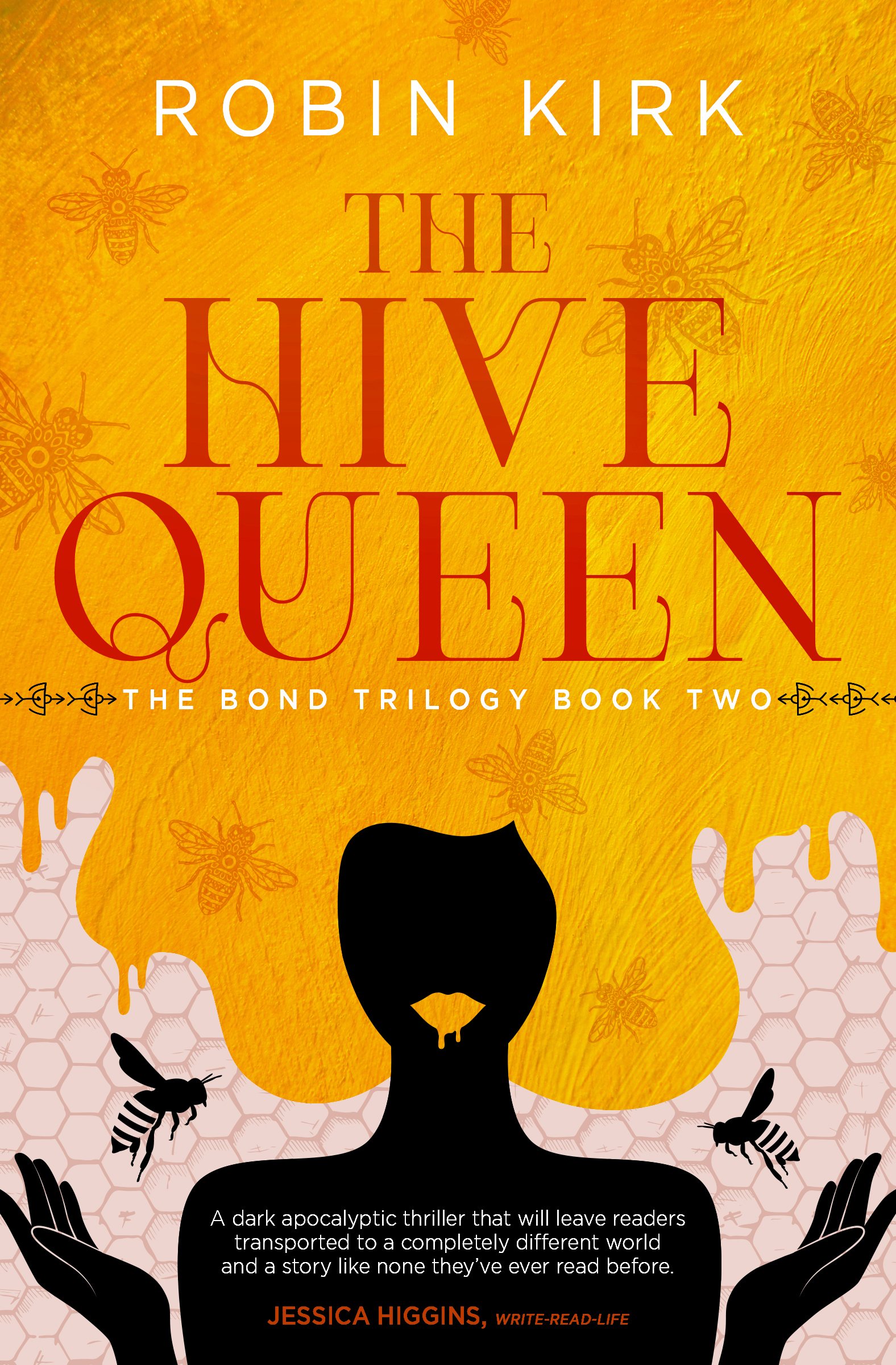
As a dyed-in-the-wool lover of speculative fiction—especially the gritty, idea-rich corners of sci‑fi and dystopia—I’m always hunting for novels that put big ethical questions on the line without skimping on heart. Robin Kirk’s The Hive Queen, published on 17 November 2020, scratches precisely that itch. It’s a tense, imaginative tale where biotechnology and the hunger for power fuse into a world as seductive as it is unsettling.
The Hive Queen by Robin Kirk — Biotech in Dystopia
Kirk’s 2020 outing takes a clear-eyed look at how far a society will go when it can sculpt life as readily as it shapes laws. Rather than leaning solely on grim set-pieces, she builds a lived-in future where labs, clinics, and strongholds all hum with the same question: who gets to decide what—and who—is possible? The result is a narrative that feels intimate even as it contemplates civilisation-scale stakes.
Biotechnology here isn’t window dressing; it’s the engine and the crucible. From engineered bodies to curated ecologies, every innovation carries a political price tag. The book sits exactly in that chilling overlap where a syringe can be a key, a weapon, or a crown, reminding us that “progress” is never neutral. As the short description aptly puts it, biotechnology and an appetite for dominion do more than coexist—they merge.
What impressed me most is how the human story never drowns beneath the speculative gloss. Characters grapple with identity, consent, and the cost of survival in systems that want to optimise them into obedience. Kirk keeps the pages turning with savvy pacing—quiet, bruised moments punctuated by well-earned bursts of action—so that the moral weight lands without feeling didactic.
Dystopian ambition, engineered futures
Ambition is the book’s lodestar, and Kirk explores it from all sides: the leader who’d perfect a populace, the scientist entranced by what can be done, and the young who must live in the wake of those choices. Thematic threads braid into a single question: if you can design the future, do you dare trust the person holding the blueprint? The novel’s answer is complex, wary, and utterly timely.
Stylistically, Kirk writes with clear, forward momentum. The world-building is textured enough to conjure a plausible biotech regime without drowning the reader in jargon. If I have a quibble, it’s that a few explanatory beats can feel a touch on-the-nose; still, the trade-off is clarity, and the narrative’s emotional stakes remain sharp. Content note for sensitive readers: there’s body modification and coercive power dynamics, handled thoughtfully rather than gratuitously.
My verdict: 4🍵/5. It’s a robust, idea-driven dystopia with a beating heart—perfect for readers who like their science speculative but ethically grounded, and their futures engineered yet contested. Favourite line (paraphrase): We can edit genomes, not the hunger that drives them. If you’re craving a story where lab benches and throne rooms share the same shadows, pour a strong cuppa and dive in.
The Hive Queen (2020) is a keen reminder that the tools we build to save us can so easily be turned into instruments of dominion. Robin Kirk doesn’t just imagine biotech; she interrogates it, mapping the fault lines where innovation meets ambition. I closed the book both satisfied and a little unsettled—the best kind of dystopian aftertaste, and well worth the 🍵.