
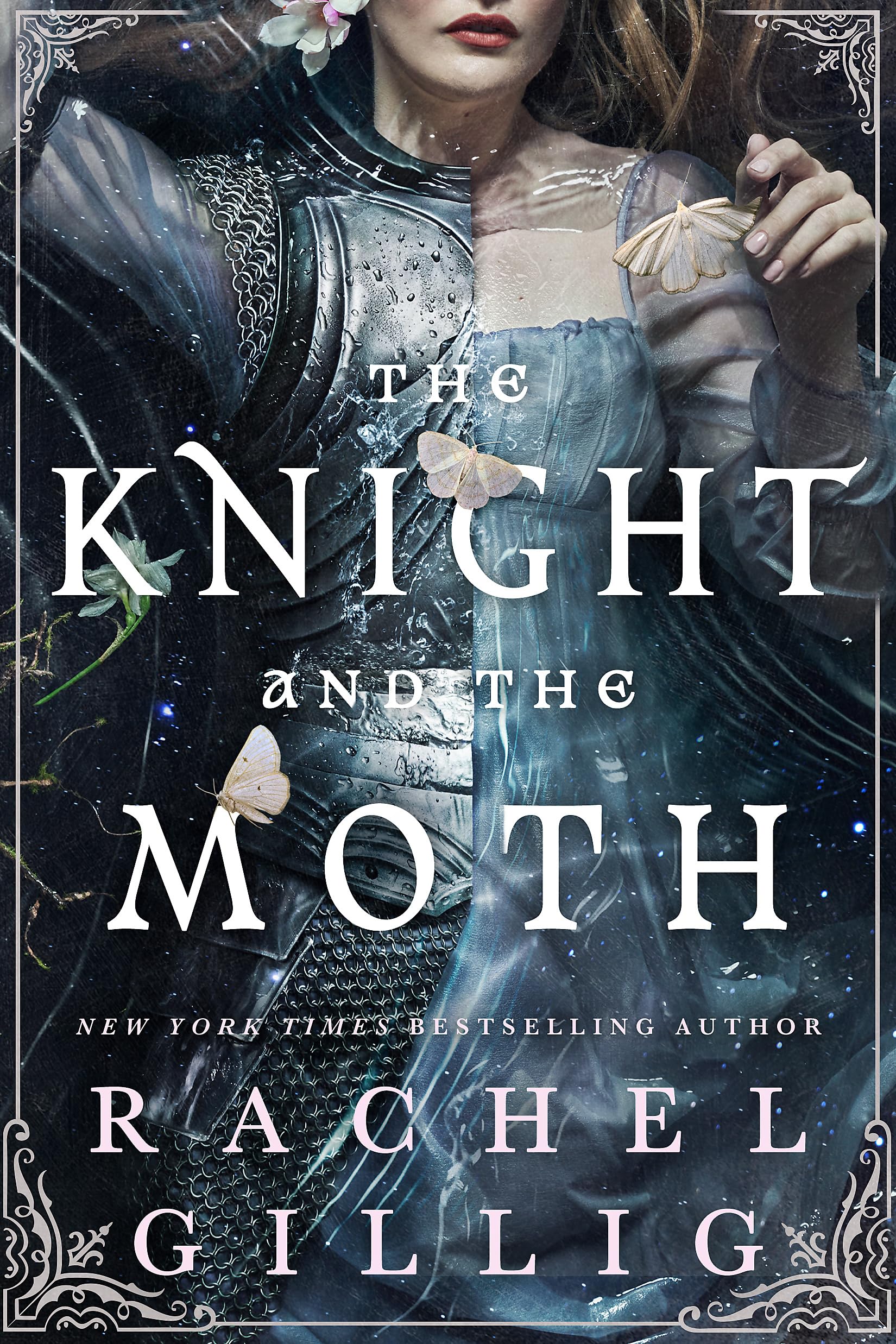
I’m a long-time devotee of science fiction and dystopia, but every so often a gothic fantasy wanders in like a candlelit spectre and refuses to leave. Rachel Gillig’s The Knight and the Moth does exactly that: a lush, shadow-draped tale that trades the circuitry and surveillance I usually love for velvet darkness, bone-deep oaths, and the soft thrum of wings in the night. What follows are my impressions—atmosphere first, logic a close second—from a reader who typically prefers ruined futures to ruined manors.
The Knight and the Moth by Rachel Gillig: a gothic fantasy
Gillig’s story feels like a reliquary: ornate, heavy, and humming with old sorrow. The premise orbits a lone knight and a moth-bound mystery, where the glimmer of a wing can be as commanding as a trumpet’s call. Stone corridors sweat with damp, forests hold their breath, and moonlight is both lantern and interrogator; this is a tale that understands how fear grows louder in silence. The romance here is distinctly gothic—not all roses and ribbons, but affection braided with peril and a prayer for morning.
What truly fascinates is the theme of transformation. Armour and silk become twin languages, each articulating a different form of protection: one clangorous and public, the other secret and tremulous. The moth’s pull is metamorphosis made manifest, turning duty into desire and desire into doctrine. Gillig writes that change is not tidy; it is appetite and ache, a shedding of skins that leaves fingerprints of the past on everything you try to hold.
Pacing-wise, the book courts a delicious claustrophobia. Rooms feel smaller as the pages turn, while the world beyond grows colder and strangely ceremonial—omens, candles, the hush before a blessing or a curse. Fans of Gillig’s lyrical, folklore-stitched sensibility will recognise the sumptuous cadence: imagery that presses close, prose that feels hand-stitched rather than machine-spun. It’s the sort of gothic that lingers on the tongue like the last, sweet dreg of wine.
A sci-fi/dystopia lover’s take, with quote and 🍵 rating
As someone who lives for speculative systems—whether it’s malfunctioning megacities or rebellious algorithms—I found a satisfying architecture here, only built from ritual instead of code. Oaths stand in for protocols, blood for biometric keys, and the moss-green politics of fealty for governance models. If dystopia interrogates control, this novel asks who writes the rules of the heart—and what happens when soft things like moths prove stronger than iron laws.
Favourite line (paraphrased for mood, not a direct quotation): “The moth knows the moon by ache, and I know my oath by the wound it leaves.” That encapsulates the book’s sombreness and beauty: guidance as yearning, allegiance as pain. It’s a resonant melody for readers who like their stories to hum with both menace and mercy.
Rating: 🍵🍵🍵🍵. I’m giving it four teacups for its exquisite atmosphere, tactile imagery, and the way it refracts chivalry through a prism of hunger and grace. I held back one cup only because the imagery occasionally loops so tightly it risks dizziness; a touch more narrative breath would have turned entrancement into total surrender. Still, for a sci-fi/dystopia diehard, this was a gorgeously unsettling detour—proof that the right gothic can haunt like any bleak future, only with softer wings.
If your shelves lean towards starships and surveillance states, consider this your invitation to stray. The Knight and the Moth offers the same moral pressure and systemic elegance I crave in dystopia, translated into candlelight and silk. Come for the knight, stay for the rustle of wings—and leave with the feeling that darkness, properly tended, can be a kind of lantern.