

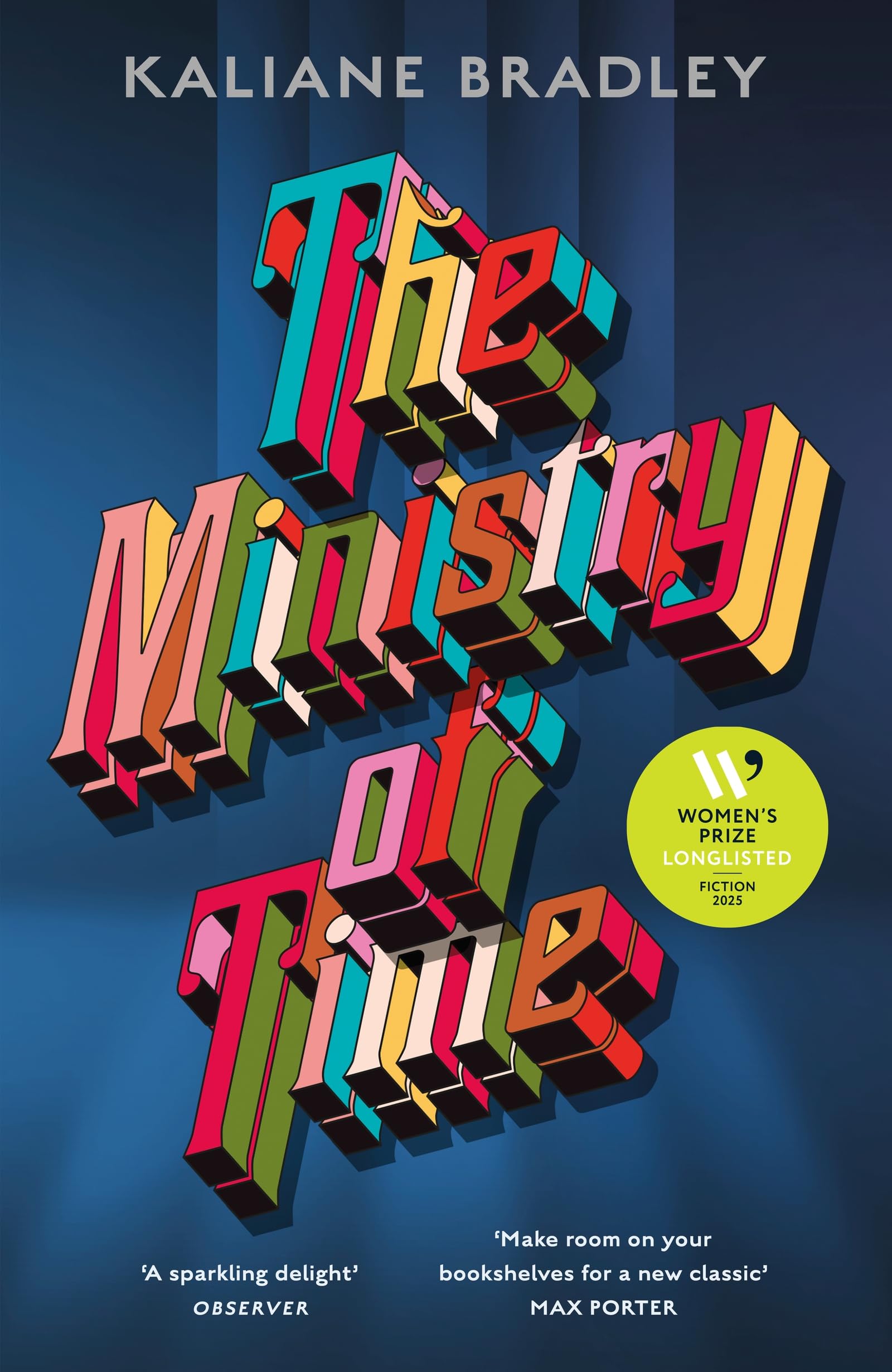
As a lifelong admirer of science fiction and dystopia, I’ve been eagerly awaiting Kaliane Bradley’s debut. The Ministry of Time, released on 07 May 2024, is a deftly poised time-travel novel that blends romance, bureaucracy, and existential dread into something both witty and bruisingly humane. It’s about a secretive government unit fighting off threats that could shred the space–time continuum—and what happens when human hearts collide with policy memos.
The Ministry of Time by Kaliane Bradley: time-agency peril
A clandestine British department recruits a civil servant to “bridge” a time-displaced expat from the past, installing him in a carefully staged flat and measuring every variable that might ripple the timeline. The premise is catnip: Eine Zeitreise-Agentur kämpft gegen Bedrohungen, die das Raum-Zeit-Kontinuum zerstören könnten. Bradley keeps the machinery taut yet playful, using the agency’s protocols to expose how tidy theories of cause and effect unravel when feelings get involved.
Stylistically, the novel slips between flinty satire and tender intimacy, with dialogue that crackles and a narrator whose dry humour hides a weathered conscience. The time-travel scaffolding is handled with admirable restraint—no dizzying pages of maths, just precise hints of paradox and the chilling sense that someone, somewhere, is massaging outcomes. It’s British to the bone: tea, understatement, and the terrifying politeness of officialdom.
As the ministry’s mission escalates, so do the perils: surveillance tightens, timelines wobble, and political “necessity” becomes the slipperiest villain of all. The action scenes feel earned, rooted in character choices rather than gadgetry, and the ethical questions bite without sermonising. By the end, the danger is not merely temporal collapse but the slow corrosion of agency—personal and institutional alike.
Kaliane Bradley’s The Ministry of Time: dystopian peril 🍵🍵🍵🍵
What struck me most is the book’s dystopian flavour: not jackboots, but spreadsheets; not curfews, but compliance training. Bradley understands how contemporary power operates—through wellness briefings, integration plans, and the velvet rope of access. The ministry may save the timeline, yet its compassion is always budgeted, its promises hedged by clauses that read like fate itself.
The relationship at the book’s heart is beautifully complicated: part guardianship, part cultural mediation, part undeniable spark. Watching a person from another century navigate our present—its plastics, its casual violence, its hopeful absurdities—is by turns funny and devastating. The supporting cast rounds out the mosaic, revealing different survival strategies within a system that is equal parts sanctuary and snare.
My verdict: four tea cups out of five—🍵🍵🍵🍵. It’s for readers who relish cerebral thrills, prickly romance, and the kind of dystopia that sneaks up on you in a meeting room with fluorescent lights. Favourite line (paraphrased): “Time resents management; it remembers.” I closed the book both satisfied and unsettled, which is precisely how good time fiction should leave you.
The Ministry of Time is that rare debut that feels mischievous and momentous at once, a love story smuggled inside a policy paper and detonated with feeling. If you like your science fiction to argue with history, bureaucracy, and the heart all at once, Bradley’s novel is a must. I’m brewing another pot and already eyeing a re‑read—because some timelines are worth revisiting.