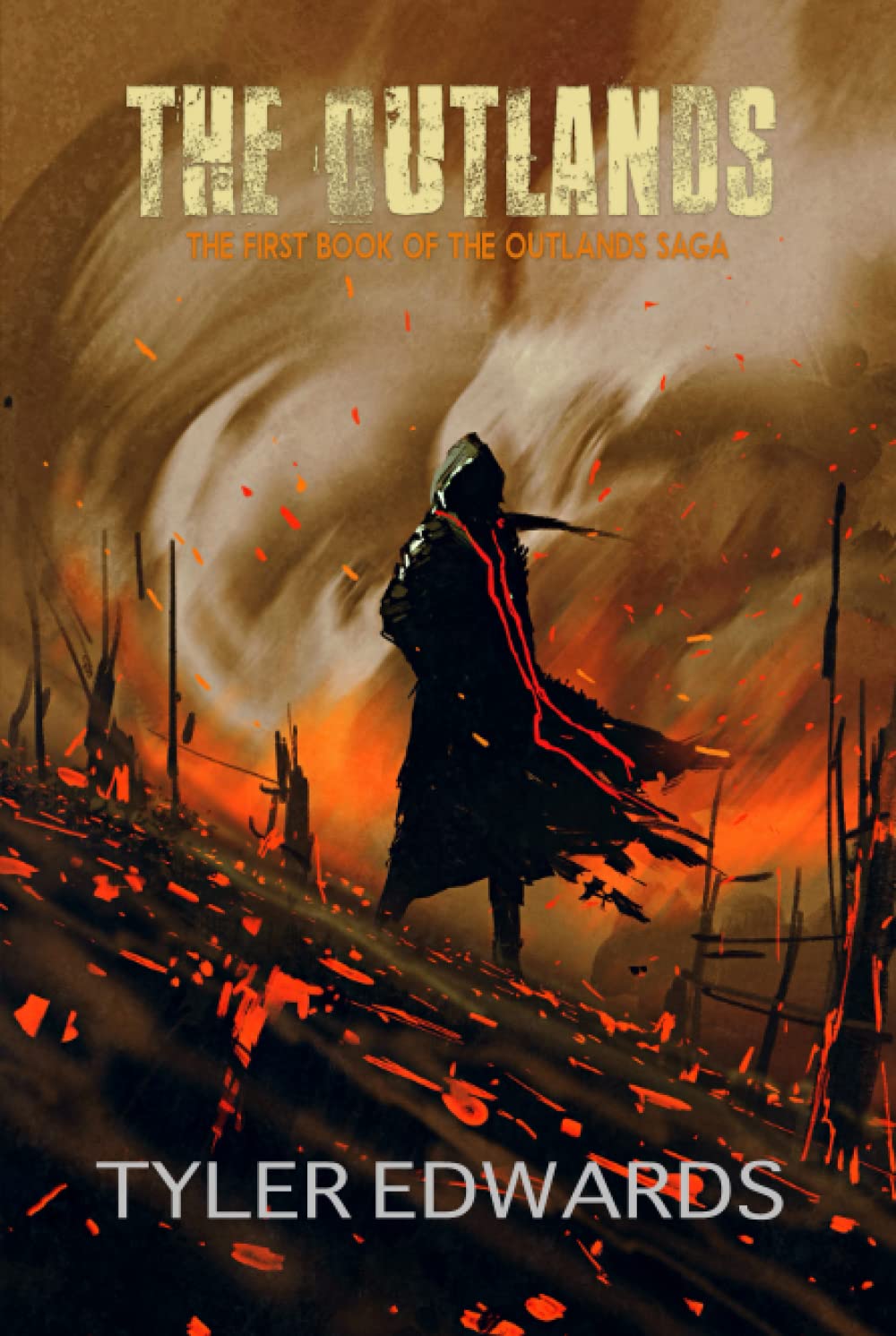
As a lifelong admirer of sci‑fi and dystopian tales, I’m always hunting for stories that peer past the rubble to find the stubborn spark of humanity. Tyler Edwards’ The Outlands, first released on 23.02.2021, promised exactly that—and, happily, delivers. What follows is a spoiler‑light reflection on its brutal post‑apocalyptic world and the tender choices that keep people human when the map is nothing but ash.
The Outlands by Tyler Edwards: Humanity in the Ruins
Published in 2021, The Outlands plants us in a world where survival is currency and kindness is an extravagance few can afford. The book’s core, neatly captured by the German short description—“Menschlichkeit und Überleben in einer brutalen postapokalyptischen Gesellschaft”—is not just a premise but a recurring pressure point. Edwards steers the narrative through shattered settlements and dangerous no‑man’s‑lands, asking whether decency can outlast desperation.
What struck me most is how the novel grounds its tension in human stakes rather than spectacle. Violence is present and consequential, but it is the moral aftershocks—the quiet quarrels of conscience—that linger. Characters are caught between the rules that keep them alive and the values that make life worth living, and those collisions give the story its beating heart.
Stylistically, Edwards’ prose is lean and purposeful, well suited to a world where every breath and bullet must be accounted for. The pacing moves like a hard march: steady, with sudden sprints that leave you winded. World‑building details—scrap‑tech, fractured communities, shifting loyalties—add texture without bogging the reader down, making the wasteland feel harsh yet hauntingly plausible.
A British reader’s take with quote and 🍵 rating
Coming at this as a British reader with an incurable soft spot for bleak futures and bruised hope, I found The Outlands disarmingly humane. There’s a familiar grit here—echoes of kitchen‑sink realism transposed onto a scorched horizon—that makes the stakes feel close to home. It’s the sort of book you read with a late‑night cuppa, telling yourself “just one more chapter,” and believing it for exactly three pages.
A line I noted while reading (paraphrased) that captures the book’s ethos:
“Survival keeps you breathing; mercy reminds you why you bother.”
That tension—between endurance and empathy—earns The Outlands a warm recommendation. My rating: 🍵🍵🍵🍵/5. It’s a thoughtful, well‑paced dystopia that privileges people over pyrotechnics, ideal for readers who value character, moral nuance, and a world that feels chillingly adjacent to ours. If you like your post‑apocalypse tempered with grace, this will be a new favourite.
The Outlands is not here to romanticise ruin; it’s here to test the tensile strength of compassion when everything else has snapped. Edwards offers a hard world, yes, but also hard‑won tenderness, and that balance makes the journey worthwhile. If you’re in the mood for a dystopia that sifts the ashes for reasons to carry on, pour a tea and head for The Outlands.